

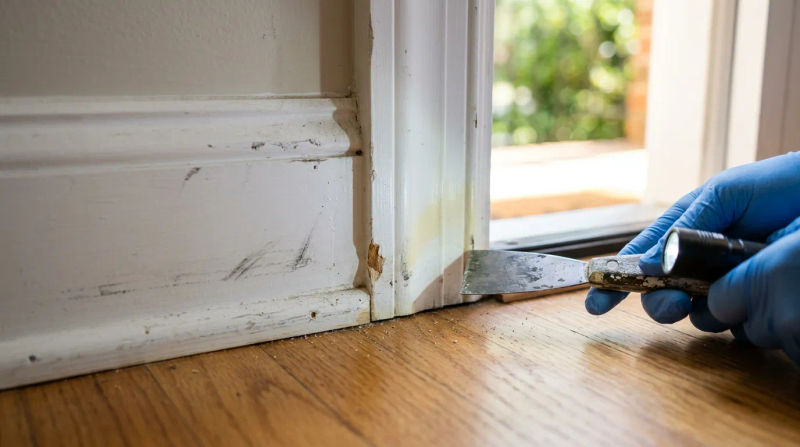
You walk through your entryway after a long day, tossing your keys on the console table, and for the first time in a while, you really look at the walls. The bright, clean surface you remember is gone. In its place is a collection of faint scuffs from bags and shoes, a few dings near the door frame, and a general sense of dullness you can’t quite put your finger on. In a busy Atlanta household, this slow accumulation of wear is easy to miss until, all at once, your home’s interior just feels tired.
As the long, active summer gives way to early fall, many homeowners start noticing this exact kind of gradual decline. The increased indoor-outdoor traffic, combined with strong sun and high humidity, takes a toll on interior finishes. From my 12 years of experience working on homes in and around Decatur, I know that identifying these early interior repainting signs is the key to maintaining your home's value and feel. It’s not just about aesthetics; it's about protecting the surfaces underneath.
Common Signs and Symptoms
Knowing what to look for can help you decide when to repaint walls Atlanta homes need it most. Often, it's not one major failure but a combination of minor issues that signal it's time for a refresh. Our technicians are trained to spot these subtle but important indicators during an assessment.
- Scuffs, Dings, and Stains: This is the most common form of Atlanta interior paint wear. High-traffic areas like hallways, stairwells, kitchens, and mudrooms bear the brunt of daily life. Look for dark scuff marks from shoes, furniture bumps, and persistent stains that don’t come off with gentle cleaning. If your walls look perpetually marked up, the paint's protective film has likely worn thin.
- Fading and Discoloration: Do the walls behind your picture frames or furniture look dramatically different from the exposed areas? This is a classic sign of UV damage. In Atlanta, homes with large, beautiful windows - especially the expansive ones found in converted industrial lofts in neighborhoods like Castleberry Hill - are highly susceptible to sun-induced fading. Over time, certain oil-based paints can also yellow due to a lack of light or reactions with humidity, leaving a dingy cast.
- Cracking, Bubbling, or Peeling: These are more urgent signs that shouldn't be ignored. Paint that is flaking or forming web-like cracks (a condition known as “alligatoring”) indicates adhesion failure. Bubbling is almost always a sign of underlying moisture trapped behind the paint. This can be common in older, pre-1940s properties with plaster walls, which may develop hairline cracks as the building settles.
- A Dull, Lifeless Finish: Sometimes, the paint itself is intact, but it has lost all its luster. It may absorb light rather than reflect it, making rooms feel darker and grimy even after they've been cleaned. This happens as the paint's binders break down over many years, causing the finish to become porous and trap dirt.
- Visible Patchwork and Repairs: Have you noticed old drywall patches or nail hole fills becoming more obvious over time? This often happens when repairs aren't properly primed and feathered into the surrounding texture. As the new paint cures and ages differently than the old, these spots can stand out.
- Outdated Colors or Sheen: Your paint might be in perfect physical condition, but the color or finish no longer suits your style. A dated color can make a home feel stagnant, while an inappropriate sheen (like flat paint in a bathroom) can lead to premature wear. This is a great opportunity to not only update your look but also upgrade your home's durability.
What Causes This Problem
Understanding the root causes of paint wear can help you make smarter choices for your next interior repainting project. The issues we see are rarely caused by a single factor, but rather a combination of environment and use.
1. Daily Wear and Tear: Life in a busy city means constant activity. Pets brushing against baseboards, kids running down hallways, and furniture being moved for entertaining all contribute to physical damage. Tight hallways and entryways in many Atlanta homes and condos concentrate this wear in very visible areas.
2. Sunlight and UV Exposure: Direct sunlight is one of paint's biggest enemies. The UV rays break down the chemical bonds in the paint, causing colors to fade and the finish to become chalky and brittle. This is especially true for darker, more vibrant colors and is a significant factor in rooms with large, south-facing windows.
3. Moisture and Humidity: Atlanta is known for its humidity, particularly during the late summer and the tail end of hurricane season. Excess moisture in the air can prevent paint from curing properly, promote the growth of mildew on the surface, and cause the paint film to lose adhesion over time, leading to bubbling or peeling. This is especially critical in bathrooms and kitchens without adequate ventilation.
4. Improper Surface Preparation: From my professional experience, I can confidently say that a paint job is only as good as the prep work beneath it. If walls aren't thoroughly cleaned of dust and grime, sanded smooth, and properly primed, the new paint coat has a weak foundation. It will inevitably fail sooner, no matter how expensive the paint is.
5. Using the Wrong Products: Not all paints are created equal. Using a flat paint in a high-traffic hallway is a recipe for scuffs and stains that are impossible to clean. A modern scuff-resistant paint sheen, like a high-quality satin or eggshell, is specifically engineered to withstand cleaning and resist marks. Likewise, using interior paint on a damp basement wall without a proper moisture-blocking primer will lead to failure.
When to Call a Professional
For a small powder room or a single accent wall with minimal damage, a DIY approach can be a rewarding weekend project. However, many situations benefit from the efficiency, expertise, and reliability of an experienced professional crew.
Consider calling a professional when you see:
- Widespread Surface Failures: If you have significant cracking, peeling paint, or bubbling across multiple walls, it points to a systemic issue. Our technicians are trained to diagnose the root cause - be it moisture or adhesion failure - and follow a standardized process to repair the substrate correctly before any paint is applied.
- Challenging Architectural Features: Homes with vaulted ceilings, open-concept floor plans, and complex trim work require precision and specialized equipment. This is particularly true for the historic lofts found in some Atlanta neighborhoods, which feature exposed brick, pipes, and structural beams that demand meticulous cutting-in for clean, sharp lines.
- Older Homes with Unknown Histories: Properties built before 1978, including many of the pre-1940s buildings in the city, may contain lead-based paint. A qualified professional is equipped to test for lead and follow strict EPA-certified safety protocols for containment and removal, protecting your family and ensuring compliance.
- You Demand a Lasting, Flawless Finish: The difference between a DIY job and a professional one often comes down to the details. An organized workflow, from careful prep and masking to the final brushstroke, ensures a uniform finish without drips, roller marks, or missed spots. Experienced professionals also have knowledge of the latest product innovations, like advanced scuff-resistant paint sheen options that offer superior durability for your investment.
Conclusion
Your home's interior paint is more than just decoration; it's the first line of defense for your walls and a major contributor to your home's overall atmosphere. By learning to spot the common interior repainting signs - like scuffs, fading, and cracking - you can address issues before they become larger problems. The unique challenges of Atlanta interior paint wear, from high humidity to the wear-and-tear of a busy lifestyle, mean that surfaces require diligent maintenance.
Don't wait until your walls look completely worn out. A proactive approach to repainting not only keeps your home looking its best but also protects your investment for years to come. Taking action in the fall ensures your home is fresh, clean, and ready for the upcoming holiday season.
If you notice any of these signs, contact a local Painting professional for an inspection.